
The Rubber We Leave Behind
Environmental Impact of Mountain Bike Tyres
ARTICLES
1/9/20264 min read
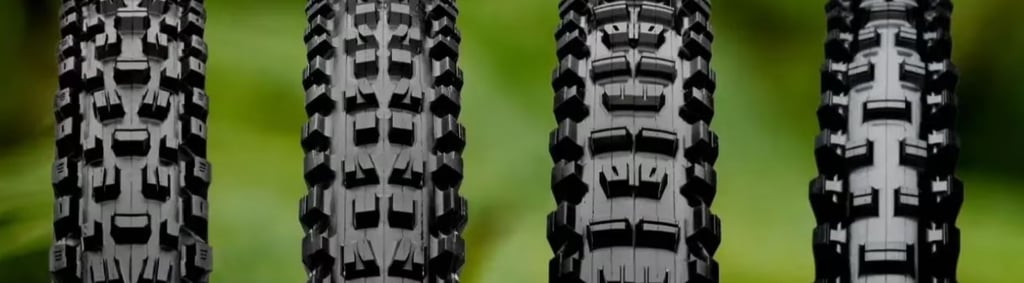
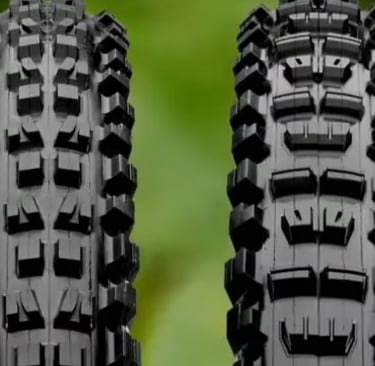
I love the sound of my tyres.
That soft thrum on hardpack and the hiss of side knobs biting into loam. The satisfying crackle of dried leaves and branches under tread.
Tyres feel alive in a way that few bike components do. They’re the contact point between us and the terrain.
They define grip, control, speed, even confidence.
The tyres are the one component on mountain bikes that truly has a clear and defined affect on our ability to ride and how our bikes behave.
The difference between the right and the wrong tyres can be the difference between a personal best and a crash.
But there’s something else tyres leave behind.
Something we don’t realise because it is rarely talked about.
As we ride tiny fragments. Dust. Rubble. Rubber that doesn’t stay on the tyre for long.
When you zoom out, it becomes clear that those little pieces of rubber add up to one of the biggest environmental footprints in mountain biking.
So I wanted to explore what MTB tyres are really made of, what happens to them after we’ve shredded through the tread, and how sustainable the future of off-road rubber might be.
The Lifecycle of a Single Tyre
On the surface, a tyre seems simple. A doughnut of rubber wrapped around fabric and steel. But the reality is much more complex and much less sustainable.
Your average mountain bike tyre is made from a cocktail of:
synthetic rubber
natural rubber
carbon black
petroleum-based polymers
nylon or aramid casing
steel or fibre beads
chemical additives
anti-aging agents
vulcanizing agents
pigments and fillers
Some compounds use more than 20 different ingredients. And most of those ingredients come from fossil fuels, chemical refinement, or energy-intensive manufacturing.
When you burn through a set of tyres each season (or more, if you ride aggressively), the environmental cost is far higher than the visible rubber left on the trail.
Where All That Rubber Goes
This is the part that gets uncomfortable.
We tend to think of tyre wear as “just dust.” But tyre wear particles are one of the world’s largest sources of microplastic pollution. And yes MTB tyres contribute to that problem too.
Every time you corner, brake, roll, or drop a tyre onto a surface, tiny granules shear off. They’re too small to see, but big enough to matter. Some stay on the trail. Some wash into streams. Some blow into the air.
Over the lifespan of a tyre, hundreds of grams of rubber and polymer particles are shed into the environment.
Multiply that across millions of riders, and suddenly the sport that brings us closest to nature is distributing synthetic microplastics deep into that same nature.
It’s a contradiction we don’t like to face.
Tyre Production: A Heavy Footprint Before They Even Hit Dirt
Before a tyre touches a trail, it’s already done some damage:
Rubber plantations can contribute to deforestation.
Synthetic rubber production is energy-intensive and petroleum-based.
Carbon black (used for strength and colour) is produced by burning heavy petroleum products.
Vulcanization requires heat, chemicals, and industrial curing equipment.
Shipping tyres globally adds yet another carbon cost.
Modern tyres ride better than ever—but their ecological cost hasn’t kept pace.
The Disposal Problem No One Wants to Inherit
Once an MTB tyre has reached end-of-life, the options aren’t great.
Most riders throw worn tyres in the trash, where they end up:
sitting in landfills for decades
releasing toxic leachates
resisting decomposition
or being burned, producing hazardous emissions
Recycling programmes exist in some regions, but MTB tyres are surprisingly difficult to recycle because they’re made of mixed materials bonded together.
Even when they are recycled, it often means “downcycling” them into low-grade rubber crumb used in playground flooring or construction fill.
Not exactly a glamorous afterlife.
Are Sustainable MTB Tyres a Real Possibility?
The good news is yes progress is happening. Slowly, but noticeably.
Natural rubber resurgence
Sourcing natural rubber from sustainably managed plantations is becoming more common. It reduces dependence on petroleum and can be carbon-neutral if managed well.
Bio-based polymers
Some tyre companies are experimenting with plant-derived polymers and oils. Early prototypes show promise, though performance still lags behind the top-tier compounds we’re used to.
Recycled rubber blends
A few brands have started incorporating recycled rubber, though durability remains a challenge.
Cleaner manufacturing processes
Energy-efficient curing, reduced-toxin additives, and solvent-free production methods are finding their way into the industry.
Tyres designed for longer life
Some new compounds focus on durability rather than sheer grip. A longer-lasting tyre is, environmentally, a better tyre.
The biggest hurdle?Mountain bikers are demanding. We want grip, feel, compliance, light weight, puncture resistance, and low rolling resistance—and we want it all at once.
Eco-friendly compounds struggle to meet performance expectations, especially for aggressive riding.
But innovation is happening.
Why Tyre Choice Matters More Than We Think
Tyres define how your bike rides, but they also define your ecological footprint. Some choices—whether we think about them or not—have massive long-term impact:
Heavy riders + soft rubber = more wear
Super-sticky compounds grip amazingly but shed faster.
Bike park laps eat tyres alive
Chairlift days can destroy a tyre in a weekend.That’s a lot of microplastic in one concentrated area.
Aggressive braking and sliding add up
Every skid is a little cloud of rubber dust.
Cheap tyres aren’t cheaper for the planet
They often wear out faster, doubling or tripling your waste.
The most sustainable tyre is the one you don’t have to replace every two months.
Practical Ways Riders Can Reduce Their Tyre Footprint
No guilt. No finger-pointing. Just realistic improvements we can all make without sacrificing the ride:
1. Buy longer-lasting compounds if your riding allows it
Not every ride needs race-level stickiness.
2. Maintain correct tyre pressures
Underinflation = faster wear (and more punctures).
3. Rotate front and rear tyres
The rear wears faster—switching early extends total life.
4. Patch cuts instead of binning early
Tyre boots, plugs, and sidewall patches save surprising amounts of rubber.
5. Recycle tyres whenever possible
Many shops now partner with recycling programs.
6. Support brands investing in sustainable research
It sends a message, and these companies need consumer pressure to expand their eco lines.
The Future: Rubber Without Regret
Mountain biking will always need tyres. That’s not something we can engineer our way around—not without reinventing the entire sport.
But the part we can change is how those tyres are made, how long they last, and how responsibly we handle them when they’re done trusting us through corners.
The industry is slowly waking up. Riders are paying more attention. And the idea of a “sustainable tyre” is moving from an idealistic fantasy to something that may genuinely sit on our rims in the coming years.
We ride because we love the outdoors. It makes sense to want tyres that love it back.