Do We Really Need It? Rethinking Mountain Bike Gear in a World That Needs Less
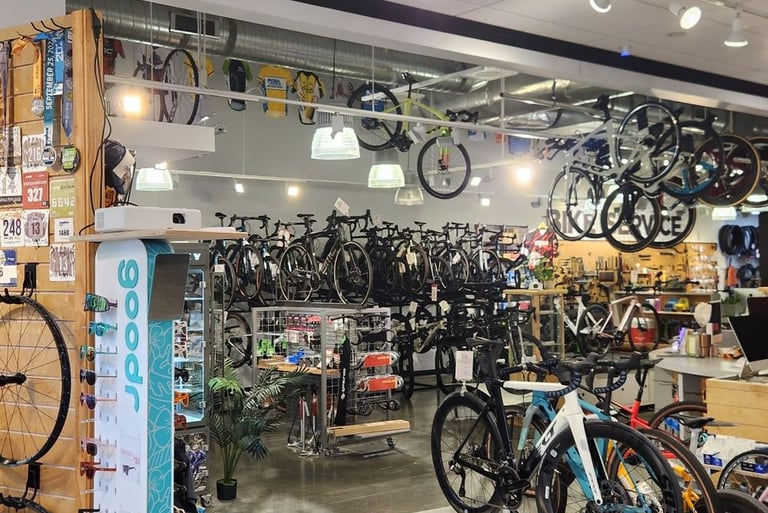
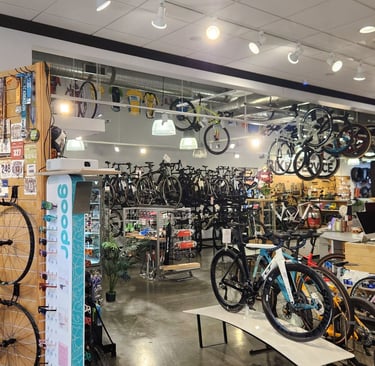
Walk into any bike shop or scroll through your feed and you’ll feel it immediately: the pull of new gear. Lighter frames. More travel. One more gear. One more upgrade that promises to transform your riding. Mountain biking has always been about freedom and connection to the outdoors, yet the culture surrounding the sport increasingly mirrors the same consumer patterns that have shaped the last century of manufacturing.
The question isn’t whether innovation is good — it is. The real question is how often our wants get confused with actual needs, and what that confusion costs the landscapes we ride throughFor most riders, the truth is simple: modern mountain bikes are already incredibly capable. The bike you bought five years ago can still handle today’s trails. But the industry thrives on progression, and progression needs momentum. New standards replace old ones. Slight geometry tweaks are marketed as breakthroughs. Components are redesigned not because the old ones failed, but because new sells better than enough.
This cycle doesn’t start in factories — it starts with us. Our desire for the latest and greatest fuels constant production. Every new frame, drivetrain, or suspension fork represents raw materials pulled from the earth, energy burned in manufacturing, and emissions released long before that product ever touches dirt. Carbon fiber, a symbol of high performance, is especially telling: strong and light, yet notoriously difficult to recycle, often destined for landfill once its life is over.
None of this means mountain biking is the problem. In many ways, it’s the opposite. Riding puts us directly in the places affected by climate change, deforestation, and industrial impact. We feel shorter seasons, washed-out trails, and stressed ecosystems firsthand. That proximity creates awareness — and with awareness comes responsibility.
There’s a quiet shift happening among riders who are starting to ask different questions. Not what’s new? but what lasts? Not what’s lighter? but what can be repaired? Bikes maintained for years, not replaced every season. Components chosen for durability over marginal gains. A renewed respect for local bike shops, home maintenance, and keeping gear alive rather than discarding it.
Manufacturers are listening — slowly. Some are experimenting with recycled aluminum, reduced packaging, modular parts, and longer product cycles. But real change doesn’t come from branding alone. It comes when riders value experience over equipment and push back against the idea that better rides are bought, not earned.
At its core, mountain biking isn’t about consumption. It’s about movement, challenge, and connection — to the trail, to the moment, and to the land beneath our tires. When we choose gear intentionally, we reduce unnecessary production and ease the environmental burden placed on the very places that give us so much.
Maybe the future of mountain biking isn’t about having less fun with more gear, but about having more meaning with less. Riding what we need, caring for what we own, and protecting the wild spaces that make every ride possible.