
Bike Green
Mountain Bike Sustainability Insights
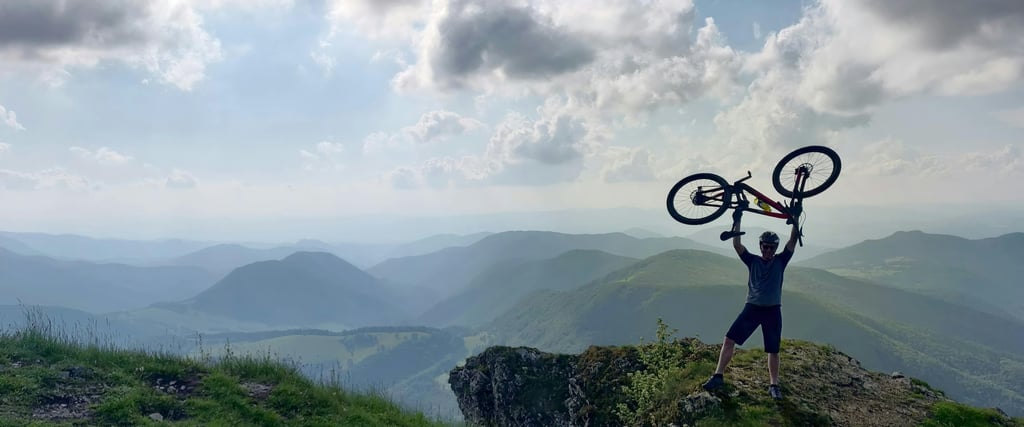

Highlighting 10 years of mountain bike eco-innovation.
A decade ago, recycled or bio-based materials sounded more like marketing experiments than serious alternatives. Now they’re part of real production bikes. Recycled aluminium frames, plant-based plastics, and responsibly sourced rubber components have moved from niche to normal. Even carbon fibre once criticized for its heavy environmental footprint—has seen innovation through reduced waste manufacturing and early-stage recycling programs.
These materials don’t just lower impact; they represent a mindset shift. Sustainability is no longer about compromise. It’s about smarter design.
One of the most meaningful eco-innovations of the last ten years isn’t flashy at all: longevity. Modern mountain bikes are built to stay relevant longer. Geometry has stabilized, standards have matured, and modular designs allow riders to upgrade components without replacing entire frames.
Suspension parts are easier to service. Bearings last longer. Replacement parts are more accessible. In an industry once driven by constant replacement, durability has become a sustainability strategy and riders are better off for it.
Global supply chains have long defined bike production, but the last decade has seen a growing push toward localized manufacturing. Producing frames and components closer to where they’re sold reduces transport emissions and strengthens quality control. At the same time, small-scale frame builders have gained renewed respect, proving that craftsmanship, innovation, and environmental responsibility can coexist.
Packaging may seem like a small detail, but its impact adds up quickly. Over the years, bulky plastic and foam packaging has given way to recycled cardboard, paper wraps, and minimalist shipping solutions. Many bikes now arrive nearly ride-ready, reducing waste while making assembly easier for riders and shops alike.
It’s a reminder that sustainability often lives in the margins in the parts of the process most people never see.
As mountain biking grew, so did concerns about trail erosion and environmental damage. In response, trail design evolved. Sustainable trail building now emphasizes natural flow, proper drainage, and materials that withstand heavy use. The result? Trails that ride better, last longer, and blend more seamlessly into their surroundings.
Riders, too, have become more involved. Volunteer trail days, advocacy groups, and local stewardship efforts are no longer side projects—they’re core to the culture.
Few innovations sparked as much debate as the e-MTB. But over the past decade, electric mountain bikes have pushed efficiency forward. Motors are smaller and more energy-efficient. Batteries last longer and are increasingly recyclable. While opinions still vary, there’s no denying that e-MTBs have forced the industry to think deeply about energy use and product life cycles.
Perhaps the clearest sign of progress is transparency. Sustainability claims are now backed by data. Brands publish carbon reports, outline environmental goals, and openly discuss their challenges. This openness has empowered riders to make informed choices and has raised expectations across the industry.
In the end, the most important change isn’t technological it’s cultural.
Riders are more aware of their impact, more respectful of access agreements, and more invested in preserving trails for future generations. Leave-no-trace principles and environmental responsibility are no longer optional values; they’re part of what it means to be a mountain biker.
Ten years of eco-innovation have proven that performance and sustainability can ride the same line. Mountain biking hasn’t lost its edge it’s gained perspective. As the industry continues to evolve, one truth is clear: protecting the trails isn’t separate from the sport. It is the sport.
And if the last decade is any indication, the future of mountain biking will be built not just for speed and strength but for the long ride ahead.


Recycled Frames
Where Are we Now?


Eco Trails
Building low-impact sustainable biking paths.


Rolling Green, Bike Tyres
Sustainable bike tyres ?
Community Repair
Workshops promoting gear longevity through repair.