Aluminium Dreams
Why Ride High-End Alloy Bikes
ARTICLES
1/7/20263 min read
There’s something really satisfying about a high-end aluminium frame.
It’s solid, predictable, and honest and you can feel the strength in your hands.
Sure it doesn’t have the mystique of carbon, but there’s a comfort to it, like it’s built to last.
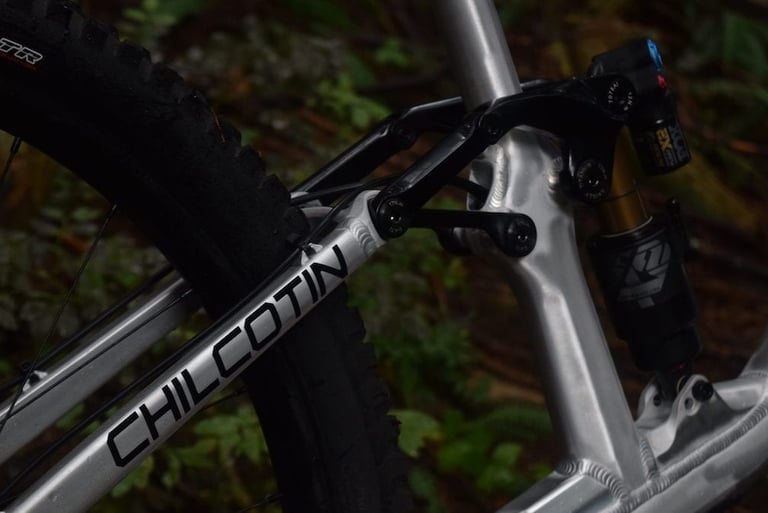
Over the years, I’ve ridden steel and carbon, but high-end alloy bikes have a permanent spot in my garage. They’re light, they climb well, they descend confidently, and they have a resistance to rock strikes and crashes that a carbon frame cannot compare to. The more I’ve learned about sustainability in mountain biking, the more I appreciate them
Why Alloy Makes Sense to Me
Carbon is great, no doubt. It’s light, responsive, and lets designers do crazy things with layups and curves. But here’s the thing about aluminium: it’s real. You can ride it hard, crash it a bit, and it’ll still take it. when it does eventually give, it bends before breaking, giving you a warning rather than a sudden catastrophic failure.
I own an alloy frame that has a dent in the chain stay that would have consigned a carbon frame to the scrap heap, or cost a pretty penny to repair. I haven't tried to repair it as its not cracked and I've had quite a few park days and a huge amount of miles on it both climbing and descending.
Its still going strong, so from a sustainability perspective, aluminium has an huge advantage, and because unlike carbon, it can also be recycled over and over. Once your frame’s done, it doesn’t have to sit in a landfill as It can be melted down and turned into something new and that alone makes me feel better about every ride.
The Life of an Alloy Frame
I’ve always liked thinking about the life of a bike, not just the ride. Here’s how I see it for aluminium:
Making it: Aluminium comes from bauxite. Mining isn’t perfect, sure, but once it’s smelted into ingots, it can be formed and recycled. The frame-making process hydroforming, butting, heat-treating creates some scrap, but that scrap can be fed back into production. It’s not zero impact, but it’s a lot cleaner than the energy-heavy process of carbon fibre.
Riding it: This is the fun part. Aluminum frames last. A decade of hard riding is not unusual if you take care of it. Unlike carbon, you don’t have to worry about a small crack suddenly ending your season. The longer a frame lasts, the lower its overall footprint.
End of life: When I’m finally done with a frame, I know it can be recycled. That’s huge. Carbon might be “forever light,” but it’s also “forever landfill” unless you find a specialized program.
Alloy vs Carbon: My Take
I’ve ridden both extensively, and here’s how I think about it:
Carbon: ridiculously light, strong, and flashy. Amazing on climbs and precise on descents. But high embedded emissions, limited recyclability, and sensitive to damage.
Aluminium: slightly heavier, maybe a touch less “wow” on paper, but forgiving, repairable, recyclable, and long-lasting.
For me, the extra peace of mind of knowing I can ride hard and still keep the frame out of the landfill makes aluminium hard to beat.
How I Try to Be Responsible
I’m not perfect, but here’s what I do:
Keep frames long-term – I ride my bikes for years, not seasons.
Repair, don’t replace – If a dent or scratch happens, I try to fix it instead of tossing the bike.
Recycle when retiring – I make sure old frames go to proper recycling programs.
Support brands thinking sustainably – Some use recycled aluminium or energy-efficient processes, and I want to vote with my wallet.
Maintain components – Bearings, pivots, and bushings all affect how long a bike lasts. Taking care of them extends the life of the frame, too.
Why Alloy Still Matters
I get it. Carbon grabs attention. Everyone wants the lightest, stiffest, “best” bike. But honestly? Aluminium feels honest to me. It rides well, lasts long, and when it’s done, it doesn’t haunt the planet for decades.
For anyone thinking about sustainability, or even just durability, aluminium is worth a serious look. It’s not glamorous, but it’s reliable, repairable, and recyclable—and sometimes, that’s exactly what we need.
The Takeaway
High-end alloy bikes?
They feel smarter now than ever.
They let me ride hard, and think less about my impact on the trails and forests I love.